


Tendonopathy is a term given to a tendon which has failed to heal fully after being irritated. This irritation can be caused by a variety of things such as overuse, poor posture, an acute spike in workload and in compressed tissues. The most common places to get tendinopathies are in the shoulders, elbows, wrists, knees and in the ankle. This can be debilitating and stop you from enjoying your life to the fullest and it can keep you out of any activities you may wish to do.
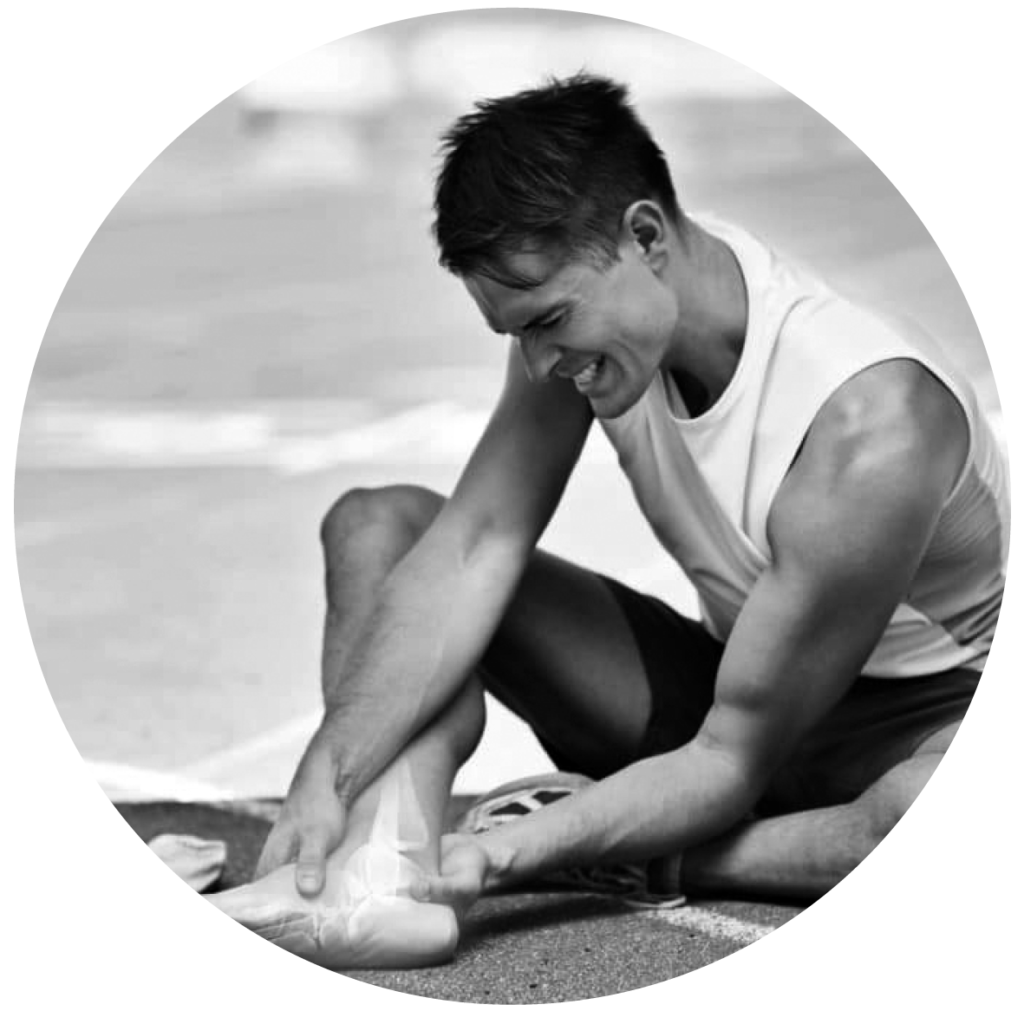
Tendinopathy has three distinct stages, the first of which is reactive tendinopathy where the tendon responds to an acute load and becomes inflamed and irritated. The second is tendon dysrepair where the tendon does not heal from the acute reaction and the tendon itself starts to become damaged on a microscopic level. The third stage is tendon degeneration. This is where the tendon cells start to degenerate and healing has failed resulting in chronic pain and limitations.
How can physio help with this?
Physiotherapy can be very beneficial when it comes to managing tendon pain in all areas. Nowadays there is less of an emphasis on surgery and injections to help with tendon pain, the main focus now being exercise. Tendons respond best to exercise especially heavy eccentric movements (where the muscle is being lengthened while holding a resistance). We have to remember that heavy means something different to everyone and so it is important to book an assessment with a qualified physiotherapist in order to aid and facilitate recovery. In addition to strengthening the affected tendon a physio will look at the bigger picture and see if there is a reason as to why the painful tendon is painful. It could mean a biomechanical issue of alignment which is causing pain and muscle weakness elsewhere. Or it could be as straightforward as over doing it in the gym or out running.

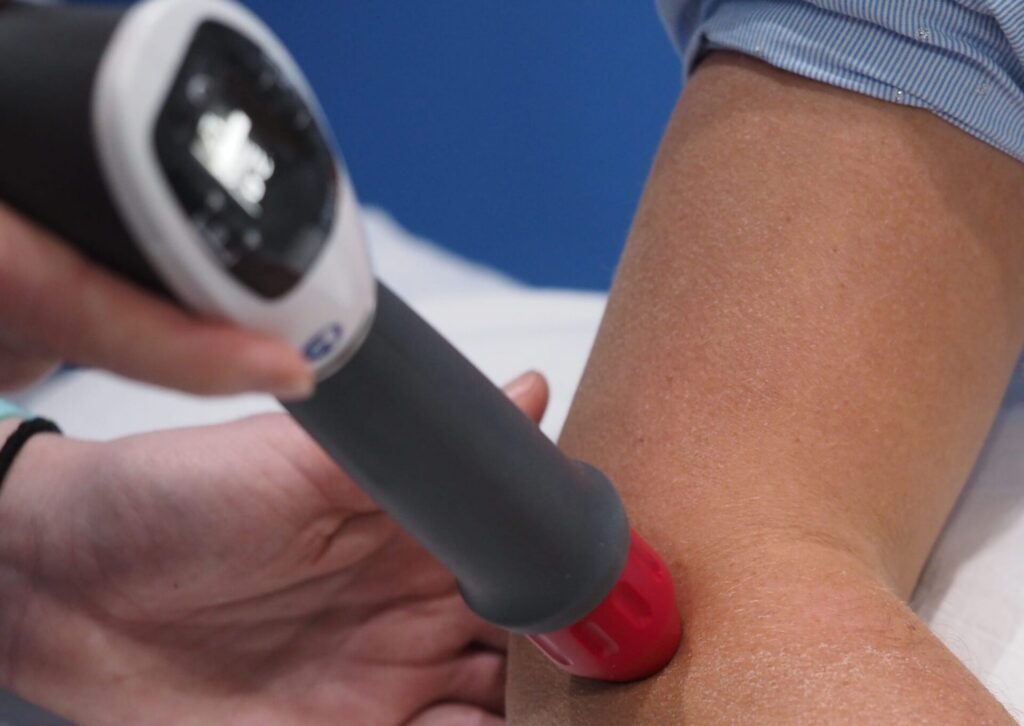
Physiotherapists are also able to use therapeutic modalities such as massage to relieve the tight tissues around the tendon and to promote blood supply to the tendon. Acupuncture can be effective in tendon pain in that it helps to stimulate the healing process by improving blood supply in the area. Shockwave is a relatively new therapeutic modality in that it uses a high amplitude sound wave to drive a bullet onto the surface of the skin over the area which is affected by pain. The way in which this works is that it creates an acute inflammatory reaction over a chronic area which drives the bodies healing process which will help restimulate healing and help to improve tendon pain.
If you suffer from tendon book in with a physiotherapist at the Foot and Leg Clinic and we will be able to fully assess and diagnose the pain and what could be potentially causing it and then help you recover and get back to pain free activity.

