Skip links

What causes a leg length difference?

  • Do you know what scoliosis is?
  • Do you regularly experience back or hip pain?  This could well the result of scoliosis.  Maybe you have a sore leg or knee? Walk with a limp? Or even suffer with regular headaches or shoulder pain?
  • Do you have one leg longer than the other? Could this be confused with scoliosis

Do you have a leg Length Difference or Scoliosis?

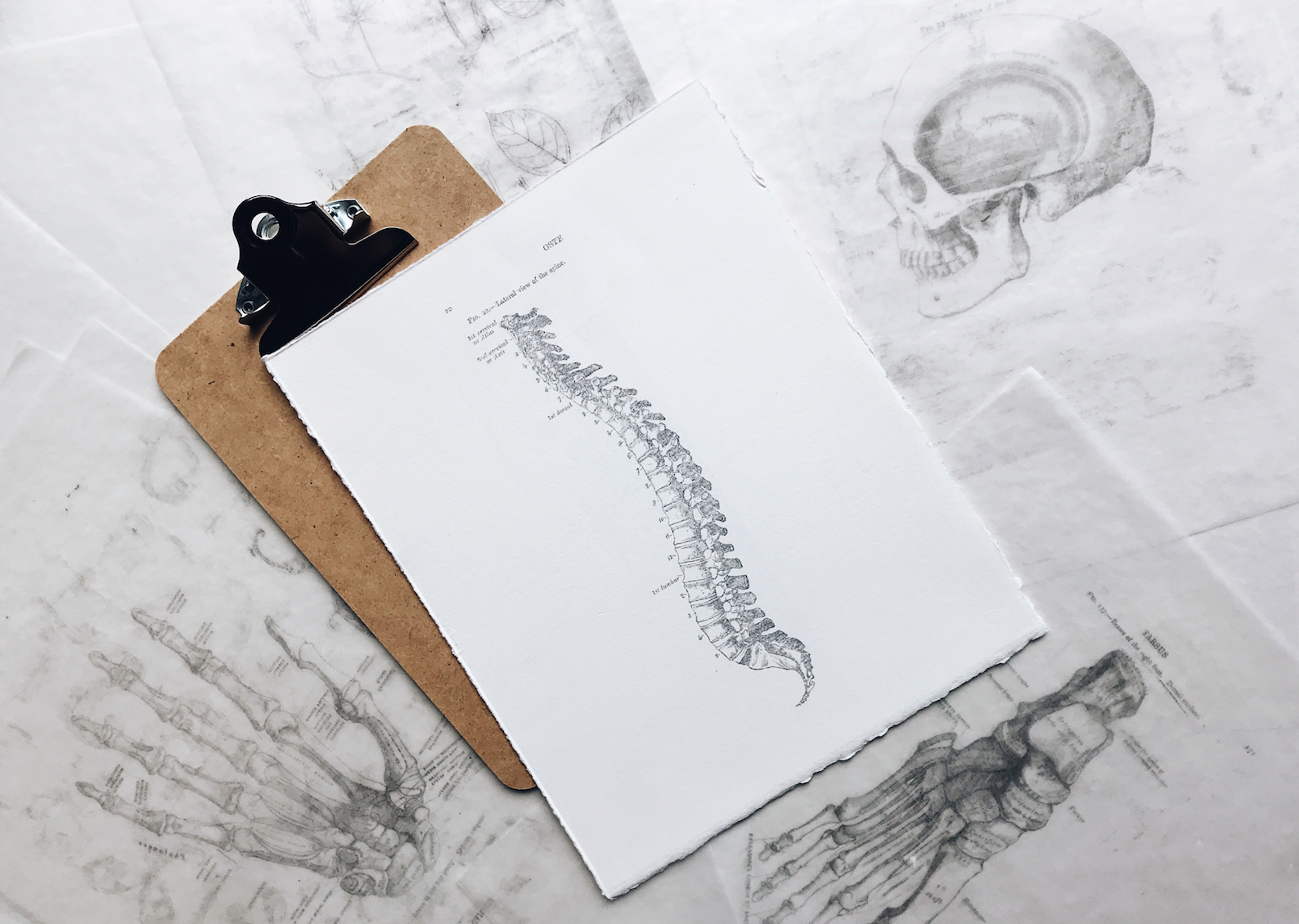
Scoliosis is a curve in the spine. When looking at a person from behind you may notice that the spine curves in two different places, it may curve in one direction lower in the back with a second curve higher up in the opposite direction. We would tend to have primary and secondary curves like this as the 2ry curve is compensating for the primary in trying to re-straighten the spine.

How to spot Scoliosis?

  • Shoulder dropped on one side
  • One hip may ‘stick out’ more than the other
  • Ribs may ‘stick out’ more on one side
  • One hand is positioned lower than the other in standing
  • One trouser leg may be longer than the other
  • T-shirts or trouser waist bands may annoyingly twist
  • May walk with a slight limp

What causes Scoliosis?

Scoliosis can develop in infant years although it may be that another biomechanical issue if causing the scoliosis to grow. Such as excess foot pronation, leg rotation, a leg length difference.  These biomechanical ‘flaws’ will lead to a tilted pelvis and therefore knockout the alignment of the spine and allow this scoliosis to develop.

What problems arise from scoliosis?

Scoliosis changes the position of the pelvis, shoulder, head, knee and foot. Therefore, the muscles around all of these joints are now under a different load and are at risk of injury.

Is all Scoliosis bad?

In a word, no.

Treatment of Scoliosis

The treatment varies as it really depends on the severity and the persons age.

  • Very young children would receive very little treatment. This is because they are still growing and the body will most likely adapt and correct itself. It is very normal for young children to have one leg a little longer than the other or have a curved spine whilst they grow.
  • Older children and teens should see an Orthotist, physiotherapist and an orthopaedic consultant and a treatment plan drawn.
  • Spinal braces are often supplied for children to wear for a period of time and they work will to correct the scoliosis.
  • Spina surgery is performed in extreme cases.
  • For most older children, teens and adults the treatment involves foot orthotics, a leg raise and physiotherapy to restore hip and back strength. It is important to attend review appointments as the degree of correction and strengthening required will vary over time, therefore the prescription will be altered over time.
  • biomechanical assessment performed by the orthotist will show whether the scoliosis is fixed or flexible and if foot orthotics, a heel raise and physiotherapy is required.
  • In some cases we do nothing as the scoliosis is not having a negative impact on the person biomechanics or quality of life.