

Arthritis is a common condition which causes pain, stiffness, swelling, reduced strength and reduced mobility. Arthritis affects everyone differently in the way that it presents it’s symptoms and how it reacts to treatment. There are over 100 different types of arthritis, so diagnosis of which specific type you suffer from can either be done quickly and easily in cases such as Osteoarthritis or it can be complex e.g. rheumatoid, psoriasic and ankylosing spondylitis.

Although debilitating, arthritis should not stop you from enjoying life. If arthritis is stopping you from everyday life activities then it might be time to book in and see a physiotherapist who can assess, diagnose and help you manage and improve the symptoms. There are several ways in which a physiotherapist can help you with the symptoms of arthritis. The most common way is through treatment methods such as acupuncture, shockwave, massage and exercise.
Acupuncture
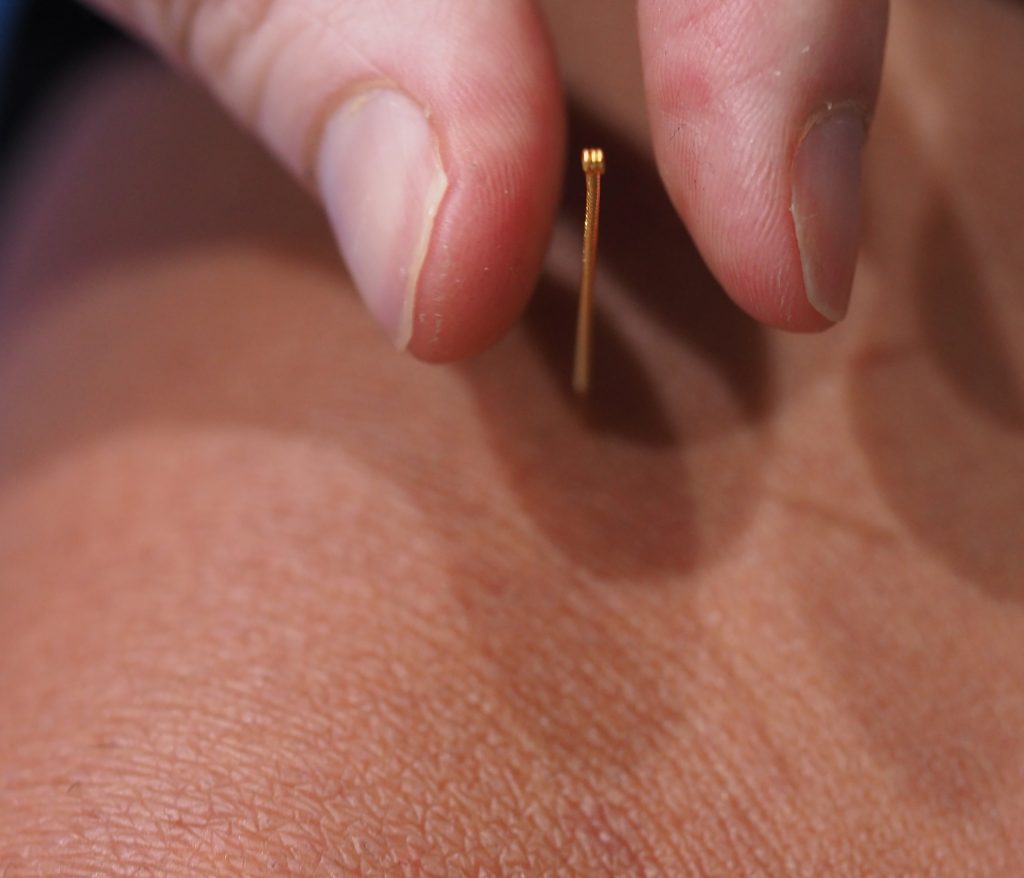
Acupuncture works by placing small needles in specific points throughout the body, depending on the area being worked on. These small needles work at three different levels. Firstly, they have a local effect, as it helps stimulate the healing process around where the needles are placed through improved circulation. Secondly, the needles also work on a segmental level by helping to reduce pain around the area in which they are placed. This allows the pain relieving properties to be carried along the adjacent nerves. Lastly, acupuncture also has an effect on the brain where it stimulates the release of endorphins and serotonin (feel good chemicals). This works to help reduce the pain and stiffness caused by arthritis which can help you get better.
Shockwave (ESWT)
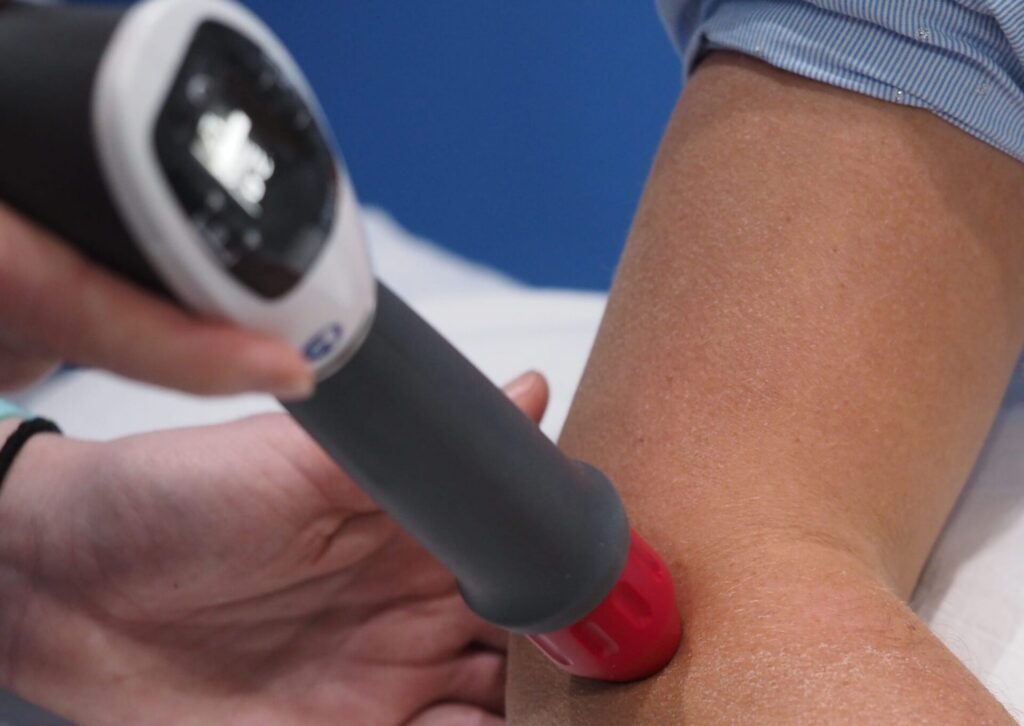
Shockwave works by using a high amplitude sound wave which drives a bullet propelled at a high speed. When this is worked over the area of pain it can help to cause inflammation in this area. Now, even though this does sound odd (why would you want to increase inflammation to the area?), this type of inflammation is good as it helps to kick start the healing the process. At certain frequencies and pressures shockwave has been shown in research to have very good outcomes with pain levels and mobility levels in treating osteoarthritis. Shockwave however can be uncomfortable during treatment so it is essential that you speak to a physiotherapist who will assess you and advise on whether this is the right treatment path to be taking.
Massage
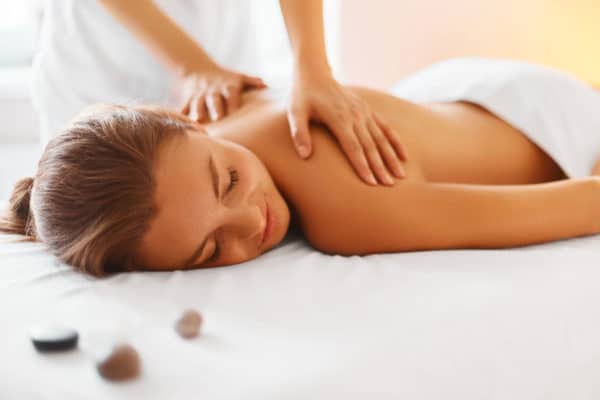
Massage can be beneficial to help increase lymphatic drainage (fluid) around swollen joints, it has been shown to help decrease stiffness and to help improve pain and mobility levels.
Exercise

One of the most researched areas in physiotherapy for rehabilitation is excercise, which surprisingly is very useful to those who suffer from arthritis. Exercise is a powerful tool in improving strength, swelling, pain, stiffness and mobility. It can feel strange at first when you are in pain and are too stiff to exercise but this has can vastly aid your symptoms.
Exercise aids improvement in stiffness by helping to circulate the lubricating fluid within your joints and improve blood circulation. Further, it will help to promote feelings of well being and satisfaction as you’ve been able to exercise despite having issues with your joints. Importantly, exercise needs to be managed properly in order to get the most benefits. This is where speaking to a qualified physiotherapist will help in advising you on the appropriate exercises to do.

In conclusion seeing a physiotherapist should be one of your first port of calls when you are diagnosed or suspect you have arthritis of any kind. We are able to help manage your symptoms and allow you to enjoy life again.

